東北2026プロトタイプ検証
Tohoku 2026 Prototyping
Tohoku 2026 Prototyping

地域社会のこころの知能とは?
『旅とすみか』の次のフェーズでは、地域の自治会と連携しながら,、災害対策において見過ごされがちな精神面の健康に焦点を当てます。
私たちの取り組みは「気候カフェ」形式の座談会を通じて、地域の人々の結びつきと心のケアを促進します。これらの対話は、ご近所さん同士が気候変動に関する地域の知見や心配事を安心して共有できる場を提供します。こうした共同体験は世代間に橋を渡し、地域コミュニティの連携を強化し、想像力豊かで感情に寄り添った対話を通じて、幸福を共に育みます。
旅とすみかのプロトタイプ検証の過程をご覧ください!
What is communal emotional intelligence?
Our engagements promote social cohesion and emotional relief through ‘Climate Cafe’-style community conversations. These conversations offer safe spaces for neighbors to share local knowledge and concerns about climate change. These communal experiences bridge generational divides, strengthen community-building efforts, and co-create shared well-being through creative, emotionally-driven conversations.
Explore our prototyping process!
プロトタイプ2
気候カフェワークショップ, まちづくりハウス、多摩川田園調布
Climate Cafe Workshop, Machizukuri House,
Tamagawa Denen Chofu
August, 2025
2025年8月
プロトタイプ3
気候カフェ対話, タマデン・マルシェClimate Cafe Conversations, Tamaden Marche
September 2025 - May, 2026
2025年9月~12月
プロトタイプ4
遠刈田気候対話, 白石蔵王レジデンシーTogatta Climate Conversations, Shiroishi Zao
September - October, 2026
2026年9月~10月
宮城研究旅行, 仙台地域
Miyagi Research Trip
Miyagi Research Trip

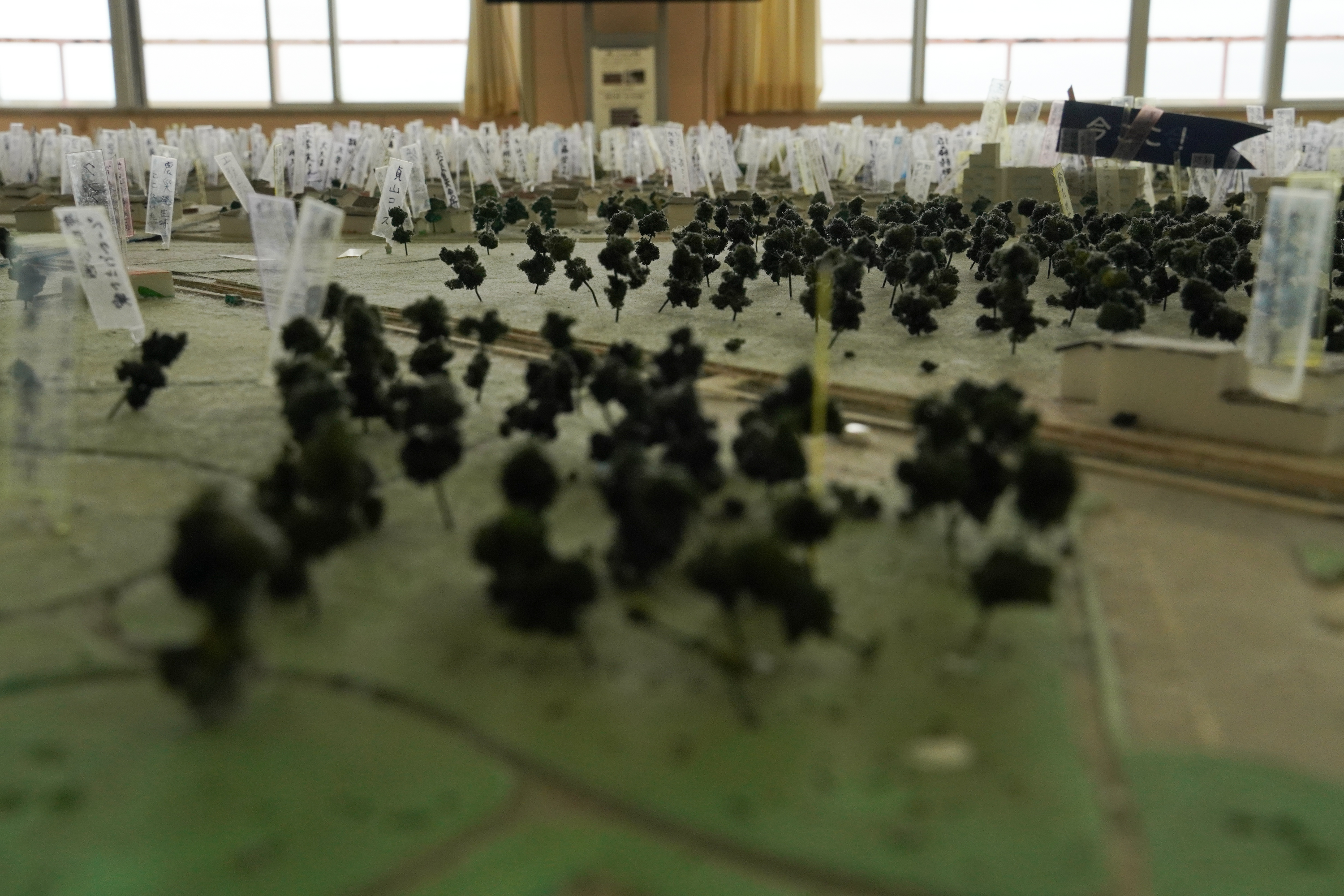
メモリーマップ、仙台311コミュニティメモリアルセンター、新井駅
Memory Map, Sendai 311 Community Memorial Center, Arai Station
Memory Map, Sendai 311 Community Memorial Center, Arai Station
宮城地方旅行
2025年7月
Miyagi Regional Trip
July, 2025
2025年7月
Miyagi Regional Trip
July, 2025
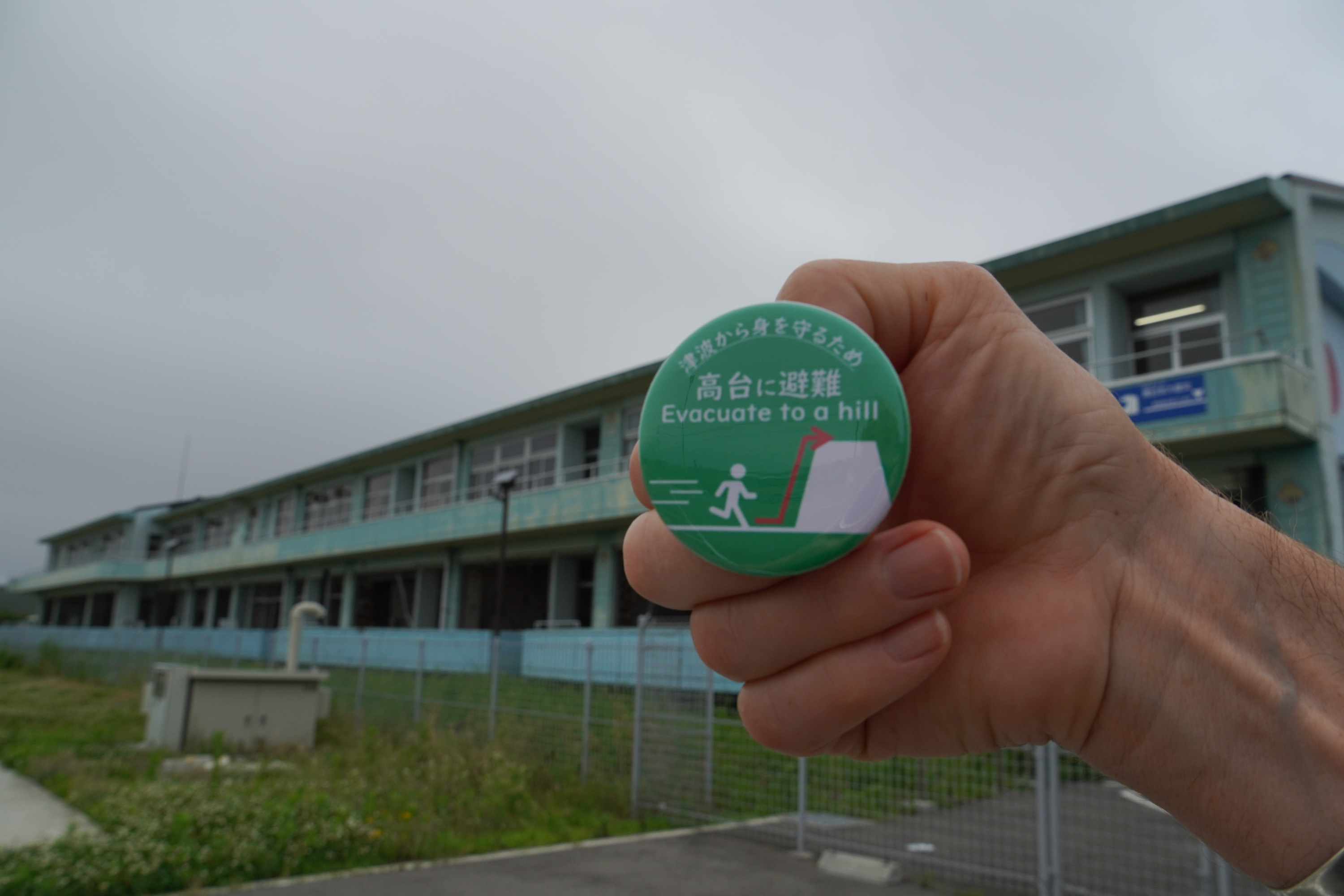
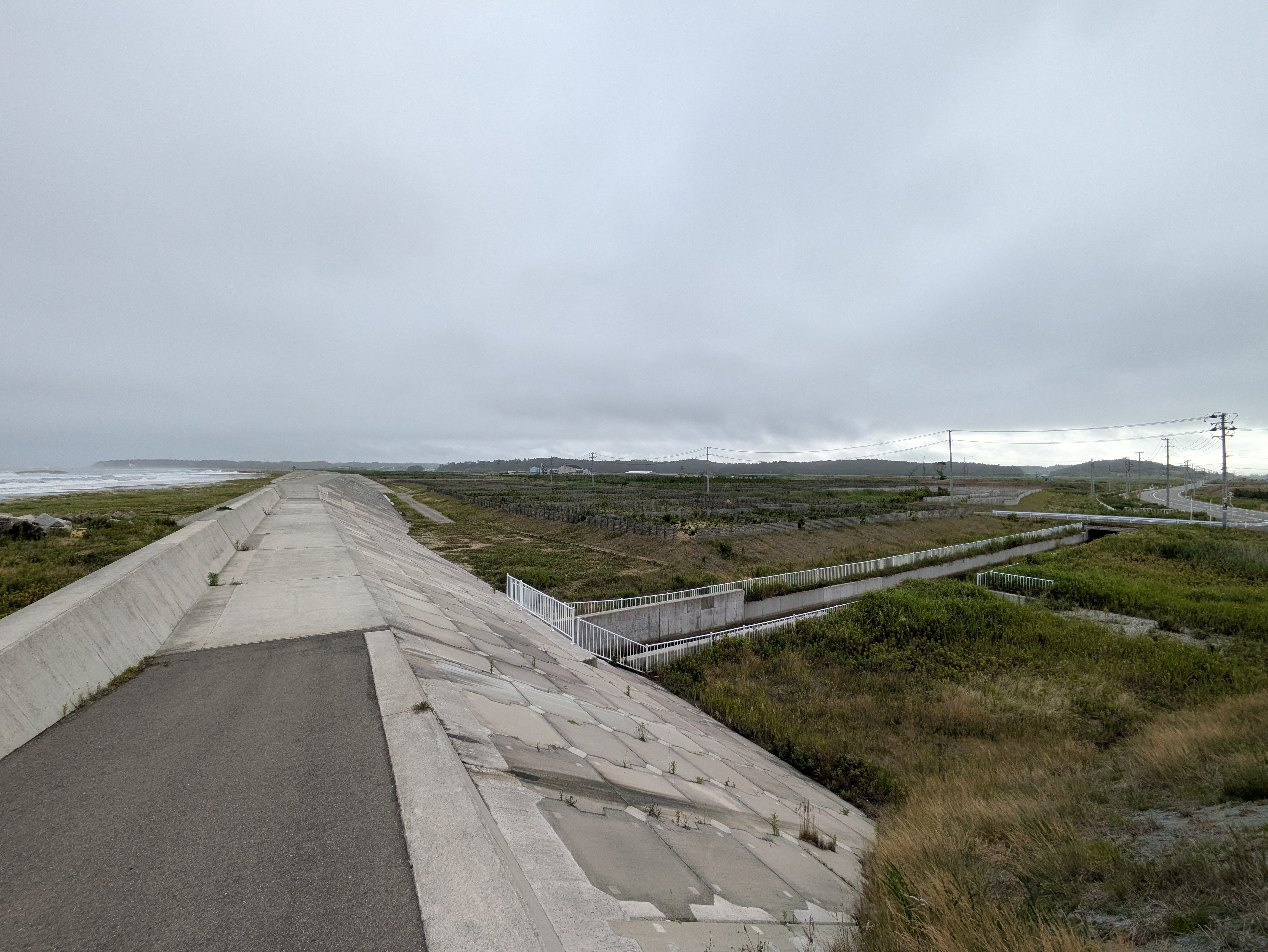
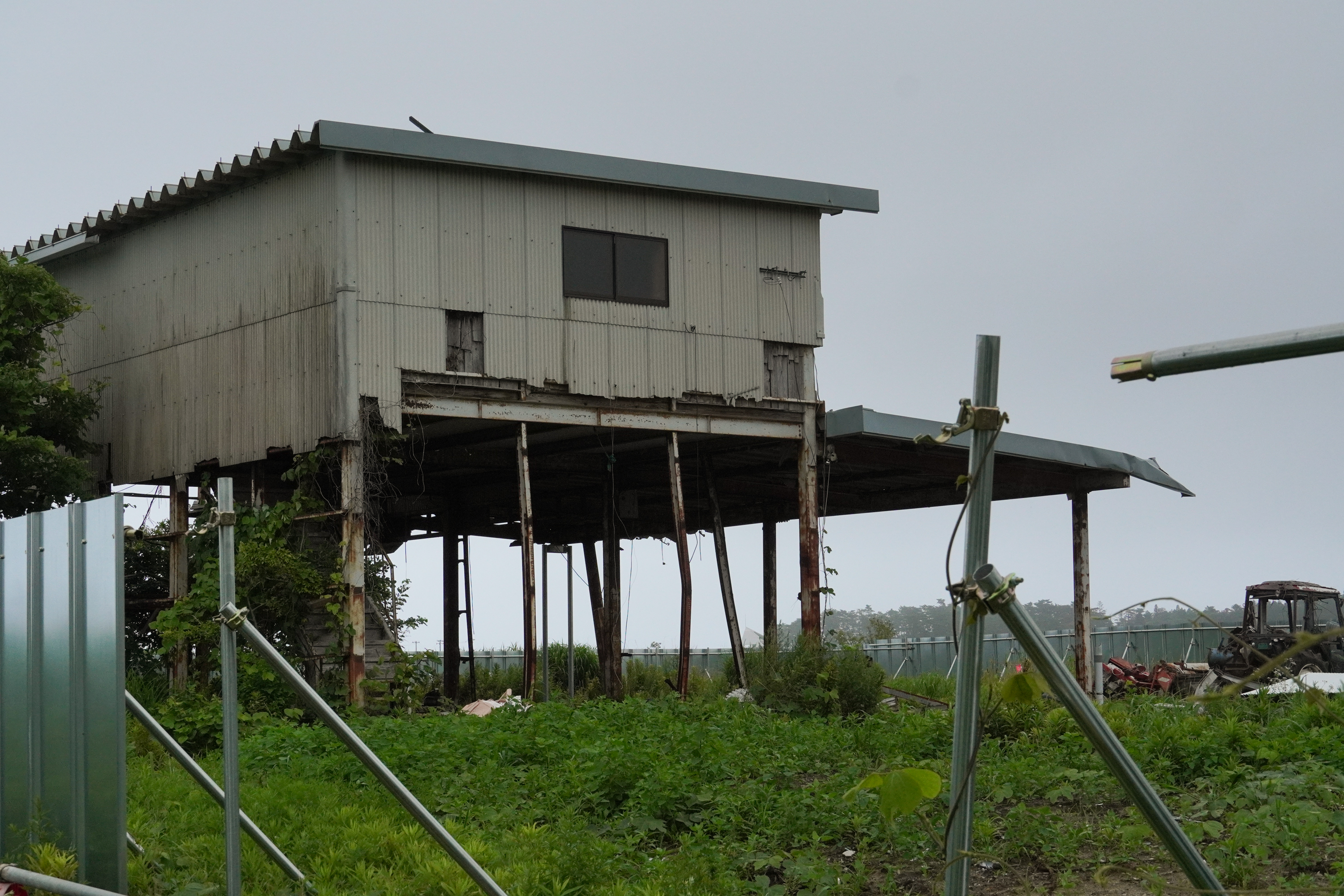
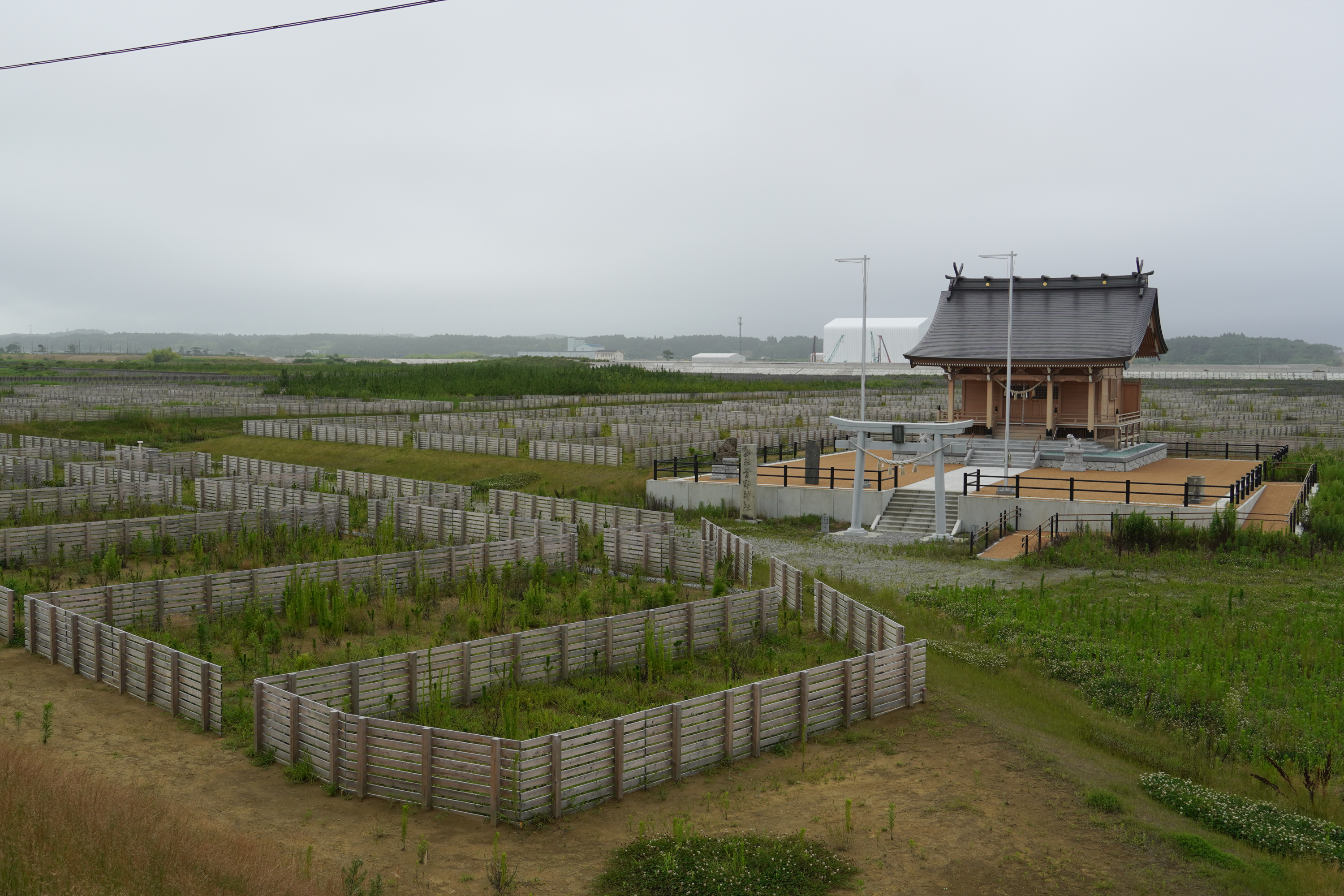
2025年7月、私たちは、復興の過程と追悼のあり方をより深く理解するため、東北地方を訪れました。この悲劇の広大さをどう記憶するべきなのでしょう?10年以上が経過した今も、災害で避難を余儀なくされた数千人もの人々の多くが、先祖代々住んできた故郷に戻れていません。東京電力福島第一原子力発電所のメルトダウンによって発生した放射能デブリ除去作業は遅々として進まず、見通しも立っていません。住宅やインフラの再建も未だ完了していません。
地域の人口は高齢者が大半を占めます。ー多くの高齢者、生まれ育った土地にとどまることを選びました。一方、避難した何千もの若い世代の家族は、継続する環境リスクや経済面・生活面の不安定さから、帰ることを断念しています。日本の人々にとって、長引くトラウマについて語ることは憚られると感じることが多いです。解消されない不安感について、家族同士でも話し合わず、一般社会全体もこの議論には消極的。しかし、あの恐ろしい災害と長年にわたる復興努力をした人々は、心的外傷抱えながら耐え続けている人が多いのです。
During July, 2025, we traveled to the Miyagi Region to better understand their recovery process and memorialization. How to document the vastness of this tragedy? Though more than a decade has passed, many of the thousands displaced by the disasters have been unable to return to their ancestral homes: restoration from the toxic nuclear Fukushima Plant meltdown has been slow and unclear. And reconstruction of homes and infrastructure is not complete.
The area’s population is largely elderly---many seniors opted to stay in the only home that they have known. Thousands of the displaced younger families chose not to return because of continued environmental threats, as well as economic and housing insecurity. For many Japanese, talking about the ongoing disaster trauma is considered taboo. Families do not discuss lingering anxiety and public conversations are not supported. However, those who experienced the terrifying disaster and the years’ long reconstruction efforts endure repressed trauma.


荒浜小学校記念碑、宮城県仙台市
Arahama Elementary School Memorial, Sendai, Miyagi
有賀由利加 の考え:
東北で発生した、東日本大震災の被害は甚大でした。私たちは、同じ日本に住んでいるにも関わらず、あまりに「現実をみる」ことができていなかったように感じました。こんなにもショックな状況が、ストレートに伝わっていないのは、なぜだろう。今、ネットではSNSや様々な手段で私たちに情報が届けられている。しかし、その情報の映像の多くは景色の「一部」でしかなく、切り取られた1枚、1瞬であることがほとんどだと思う。
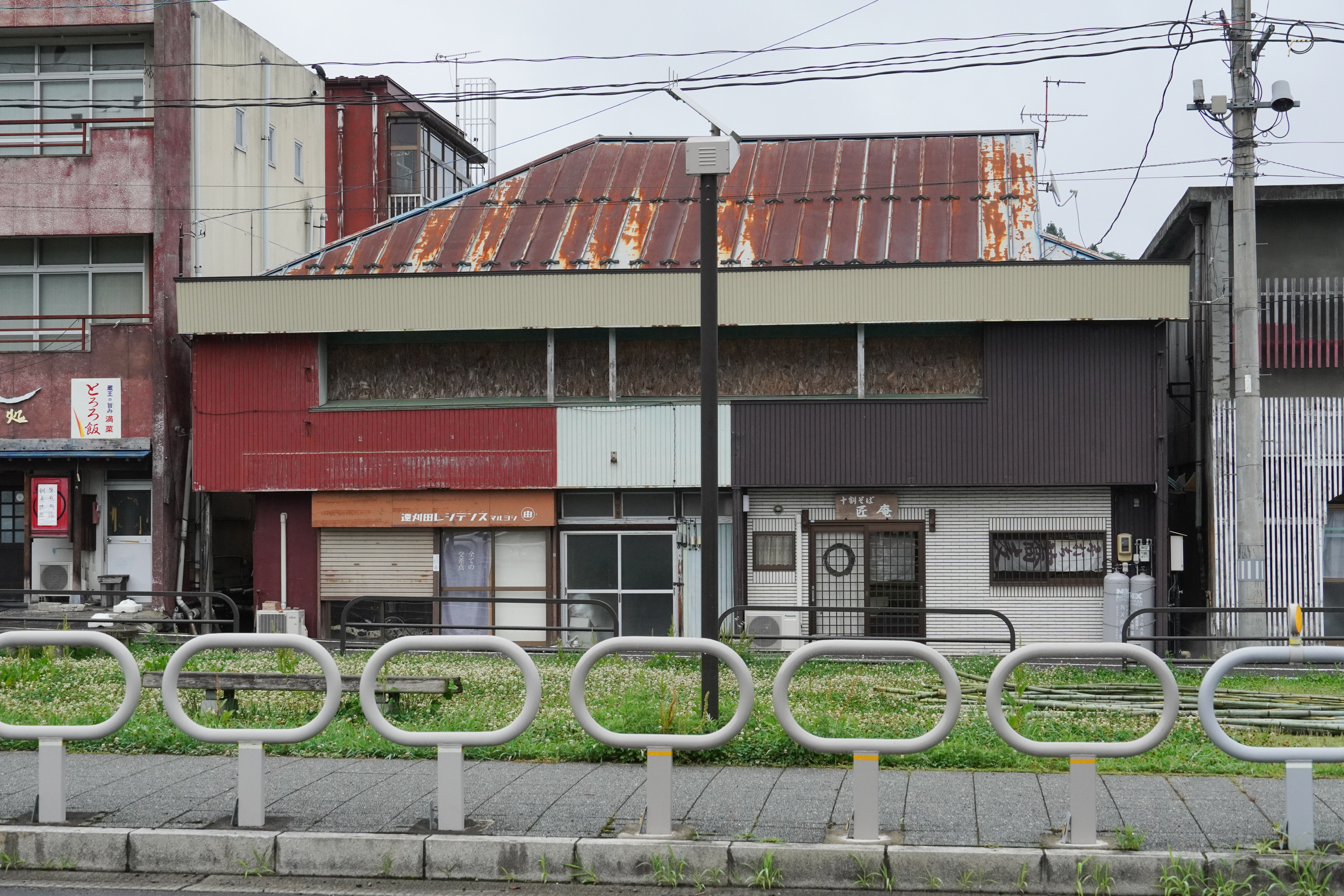
一見、被災しているように見えない、なんてことない景色でも、人口が減少し高齢化が急速に進行しそこにひとの営みが息づいていないのであれば、それは被災した場、震災によって景色が変わってしまった場所であるが、そのような場所は注目されることもほとんどないまま、ただ、衰退の一途をたどる運命だ。
Yurika San’s Reflections:
The damage caused by the Great East Japan Earthquake that struck Tohoku was immense. Even though we live in the same country, we felt we hadn't truly “seen the reality” of it. Why wasn't such a shocking situation being conveyed to us directly?
Now, information reaches us through SNS and various other means online. However, I believe most of the images accompanying that information are only “parts” of the scenery, mere snippets, single frames, or fleeting moments.
Even a seemingly ordinary landscape, one that doesn't immediately appear damaged, can be a place affected by the disaster. If the population is declining, aging rapidly, and human activity has ceased there, it is a place where the landscape has been altered by the earthquake. Yet, such places rarely receive attention and are destined to simply continue their decline.


Despite not facing reality, voices urge us to “do our best,” “make an effort,” and “rebuild.” But truly rebuilding—understanding what needs rebuilding and how—is inherently difficult unless we first witness reality firsthand, accept it, and acknowledge it.
In Sendai, Fukushima, and the places I visited this time, I encountered many areas where people's lives had already resumed and new townscapes were emerging. Yet, it's true I sensed a certain “emptiness” in the air.
I suspect it's because the culture of that land, the inherent power that lies dormant within it, remains untapped and unutilized. Surely, one reason is that we create and build new things without regard for the land's history and culture—prioritizing speed to attract people and enrich our lives.
How can we, as a community and through human effort, approach the feeling that the land is “lifeless”? What can we do to bring that land to life and “live with the land”? I want to keep thinking about this. How do we inherit and nurture the culture of the land, connecting it to human activity and community? A new challenge begins: “Journey is Home.”
現実をみていないのに、「頑張ろう」「努力しよう」「復興しよう」という声。何をどのように復興すれば良いかなど、現実をちゃんと目の当たりにし、そしてそれを受け入れ、認めるプロセスを経てからではないと、本来は難しいことなのだ。
仙台や福島、今回向かった場所では、既に人々の生活が復活し、新しいまちの姿ができている場所にも多く出逢った。しかし、どこか「空虚」な空気を感じたのは事実である。おそらく、その土地の文化や、本来その地に眠っているパワーが眠っている、まだ生かされていない状態なのだと思う。
きっと、スピードを重視しひとを集めるため、生活を豊かにするために土地の歴史や文化への配慮なく新しいものを創る、建てることも一つの原因なのではないだろうか。
土地が「生きていない」という感覚にコミュニティ、人の力でどのようにアプローチしたら良いのか、その土地を生かし、「土地と共に生きる」ために私たちは何ができるのか。考え続けていきたい。土地の文化をどう受け継ぎ、育み、人の営みとコミュニティに接続する。「旅はすみか」の新しいチャレンジが始まる。
気候カフェワークショップ
Climate Cafe Workshop

気候カフェワークショップ, まちづくりハウス、
多摩川田園調布
2025年8月
Climate Cafe Workshop, Machizukuri House,
Tamagawa Denen Chofu
August, 2025
多摩川田園調布
2025年8月
Climate Cafe Workshop, Machizukuri House,
Tamagawa Denen Chofu
August, 2025
「クライメート・カフェ」とは?
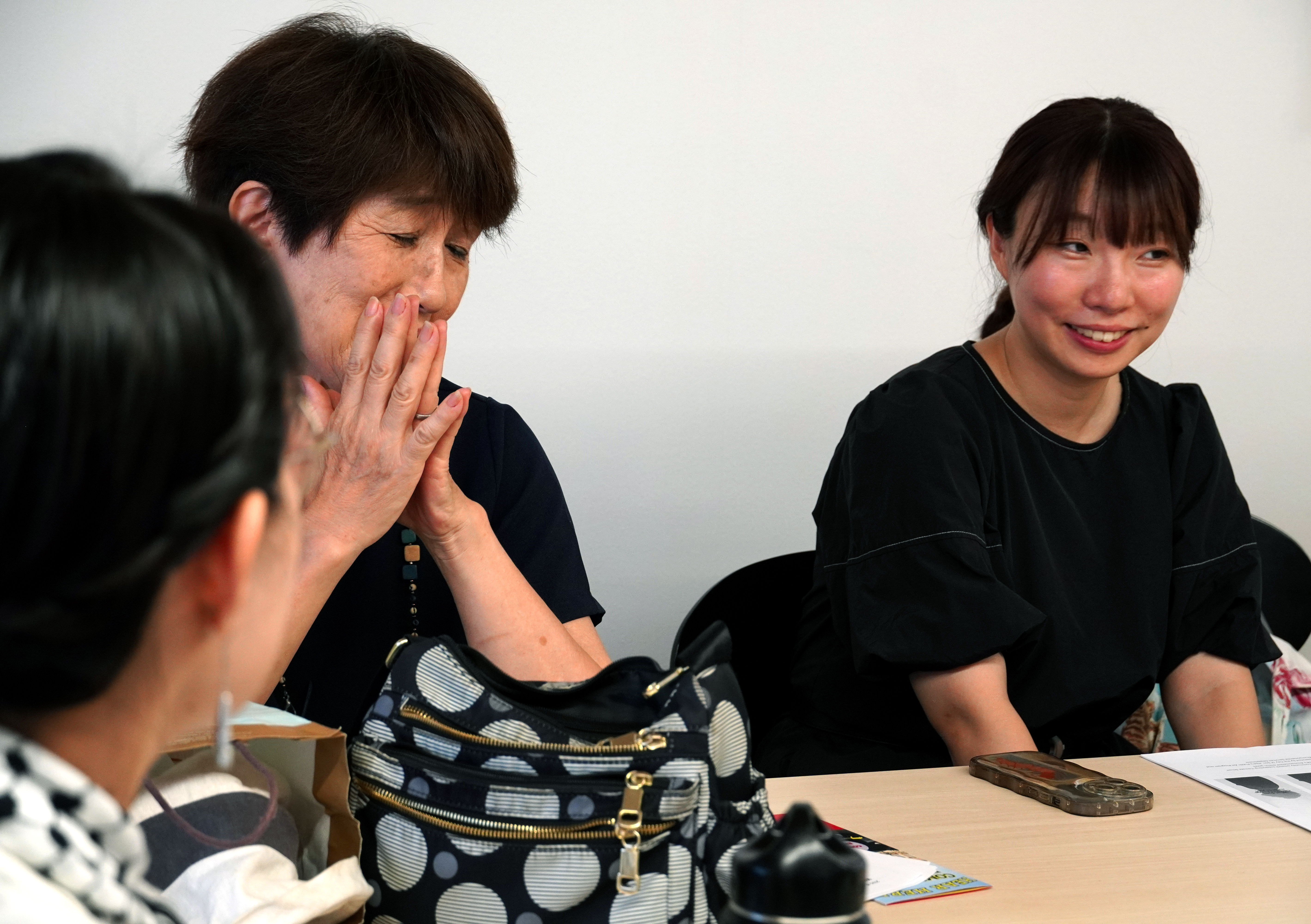
2025年8月、私たちは東京の「まちづくりハウス」にて、町議会のパートナーたちと「クライメート・カフェ」の試行ワークショップを開催しました。「旅と住ま」の次の段階に向けて、気候変動について創造的な対話を進めるための戦略を練っています。コミュニティとして、気候危機に対する私たちの考えや不安を、どうすれば共有できるでしょうか?
私たちはすでに、気温の異常な変動、暴風雨の激化、生息地の喪失など、大きな気候変動を経験しています。そして、それ以上の事態も起きています。この状況は恐ろしく、圧倒的です。事態は深刻で、私たちを圧倒しています。どうすればこの危機と向き合い、前向きな変化へと向かっていくことができるのでしょうか?心理療法の研究によれば、何らかの行動を起こすためには、まず自分の中にある複雑な感情を認める必要があるとされています。
「クライメート・カフェ」運動は、そうした柔軟で寛容な場を提供してくれます。2015年にスコットランドの田舎で生まれ、今や世界中に広がっているこれらの「カフェ」は、気候変動がもたらす感情的な影響について、親しい人々や見知らぬ人々と共に、コミュニティの中で開かれた対話を交わす場です。これらの集まりは、私たちの行動ではなく、私たちの感情について語る場なのです。
What is a Climate Cafe?
In August 2025, we met with our town council partners at the Machi Zurkuri House, Tokyo, for an exploratory Climate Cafe workshop. For Tabi To Sumika’s upcoming phase, we’re developing strategies for creative conversations about climate change. As a community, how can we share our thoughts and fears about the climate crisis?
We are already experiencing major climate fluctuations---out-of-synch temperature shifts, increased intensity of storms, loss of habit. And more. This situation is terrifying. And overwhelming. It is bad and overwhelming. How can we live with this crisis and move towards positive change? Psychotherapy research tells us that in order to take any kind of action, we must first acknowledge our messy emotions.
The Climate Cafe movement can provide that flexible and forgiving container. Born in 2015 in rural Scotland and now spanning the globe, these ‘cafes’ are open conversations in community, with familiars and strangers, about the emotional fallout from climate change. These gatherings are about our feelings, not our actions.


しかし、この「クライメート・カフェ」のコンセプトを、日本のコミュニティにどう適応させればよいのでしょうか。一般的に、日本の文化では、集団の場で個人的な悩みを話すことは好まれません。また、日本ではセラピーはあまり一般的ではなく、精神疾患という偏見が付きまとっています。人々は疲れや孤独を感じているかもしれませんが、そうした感情について話すことは恥ずかしいことだとされています。これが、気候変動についてどう語り合うかというテーマを巡る、率直で誠実な対話の核心でした。 会場にいた私たちのほとんどは以前から顔見知りだったため、こうした潜在的な緊張感について、深く率直な対話を交わすことができたのです。
But how can we adapt this Climate Cafe concept for a Japanese community? Japanese culture in general does not condone talking about personal problems in a communal setting. And therapy is not very common in Japan; it carries a stigma of mental illness. Though people may experience exhaustion and loneliness, it’s shameful to talk about these feelings. This was the theme of our frank and honest conversation about how to talk about climate change. Because most of us in the room already have known each other for some time, we were able to have a deeply honest conversation about this potential tension
主な気づきと学び:
Take-Aways & Learnings:
But how can we adapt this Climate Cafe concept for a Japanese community? Japanese culture in general does not condone talking about personal problems in a communal setting. And therapy is not very common in Japan; it carries a stigma of mental illness. Though people may experience exhaustion and loneliness, it’s shameful to talk about these feelings. This was the theme of our frank and honest conversation about how to talk about climate change. Because most of us in the room already have known each other for some time, we were able to have a deeply honest conversation about this potential tension
主な気づきと学び:
-
同じ災害や災害警報に対して、人によって感じる感情や反応は異なるものです。
-
レジリエントな持続可能性を支える重要な柱として、全体的なつながり、環境との関係、世代間の関係が挙げられます。
-
気候変動に関する対話は、定期的かつ一定の枠組みや活動(自由な形式の対話ではなく)を持って行われる必要があります。
-
「まちづくりハウス」が毎月開催するコミュニティマーケット「マルシェ」は、気候変動を軸とした取り組みのさまざまなアプローチを試す場として最適でしょう。
Take-Aways & Learnings:
-
We may each experience different emotions and reactions to the same disaster or disaster warning.
-
There are key pillars that support resilient sustainability: overall connectivity, relationship with the environment, intergenerational relationships
-
Climate conversations need to happen with regularity and some structure or activity (not an open-ended conversation)
-
The Machizukuri House’s monthly marche community market would be a welcome site for trying out different approaches to climate-centered engagements


ワークショップを経てあらためて浮かんだ質問
Questions inspired by our Climate Cafe workshop
Questions inspired by our Climate Cafe workshop
「ありえない」ことはどんな事?:戦闘、暴力、独裁者、抑圧、差別など
What could never happen to youor to your neighborhood?
思考停止にならないようにするには?
How do we avoid getting stuck in the ‘fight or flight’ response?
What could never happen to youor to your neighborhood?
思考停止にならないようにするには?
How do we avoid getting stuck in the ‘fight or flight’ response?
非常事態に自分が見舞われるかもしれないと認識した時に生まれてくる感情(心配、恐怖、好奇心など)をどの様に個人として、家族として、コミュニティとして受け止めるか
How do we express our emotional reactions on an individual, family or communal level when we are faced with an emergency?
How do we express our emotional reactions on an individual, family or communal level when we are faced with an emergency?
何をもって「危険」と思う? (治安?地震?人災?天災?
What poses a threat to your sense of safety?
いつもの日常がある日奪われるなんて「ありえない」?
Do you ever think about your normal daily life ever being taken away?
What poses a threat to your sense of safety?
いつもの日常がある日奪われるなんて「ありえない」?
Do you ever think about your normal daily life ever being taken away?
もし真夜中にきていたら?大雨だったら?
What if a disaster happened at an ‘inconvenient’ time, like at night while you’re sleeping or away from home?
What if a disaster happened at an ‘inconvenient’ time, like at night while you’re sleeping or away from home?

Monthly Market Engagements
マルシェでのイベント
Monthly Market Engagements
マルシェでのイベント


2020年から玉川田園調布を拠点にしていた「旅はすみか」プロジェクトを振り返りながら、毎月第三日曜日に玉川田園調布で開催される「Tamaden Marche」で2025年秋から次のステップに向けてプロトタイプを行っています。
「Tamaden Marche」は、NPO法人玉川まちづくりハウスが年に1回実施してきた「まちフェスタ」を受け継ぎ、2019年以降玉川田園調布で開催している地域に開かれたコミュニティ・イベントです。Marksearchが玉川田園調布と繋がるきっかけとなり「旅はすみか」プロジェクトのはじまりの場所でもあります。
前回は、コロナ禍のため東北でのプロジェクト実施は叶わず。「旅はすみか」はようやく東北でのプロジェクト再開の時を迎えようとしています。再開に向けて、2025年7月に行った東北でのリサーチ。私たちは宮城県遠刈田や仙台、福島など東北の多くの地域を訪れました。
プロトタイプの初回は2025年9月。前回2019年からの「旅はすみか」プロジェクトや、東北でのリサーチの際に撮影した写真の展示を行いました。
写真の裏面には、様々な質問を記載。質問内容は、私たちが写真を見て感じたインスピレーションをもとに、災害やコミュニティに関する質問を一つ一つ制作したものです。
写真からインスピレーションを得て言葉にすること、感情を言葉にする作業は、とても時間のかかるプロセスです。その中でも、多くの人が質問に真剣に向き合ってくれました。ひとりではうまく言葉に表現できないことも、周りの人と話しているうちに感情が整理されたり、自分の言葉となって口に出せるようになってくる方もいました。
コミュニティについて、Tamaden Marche=「コミュニティ」であるイメージを持っている方が多かったのはとても嬉しい出来事でした。地域の方々にとって、「コミュニティ」として想像される場所の一つになっているのだと実感する機会となりました。
一方、災害に関する考えや、災害時×コミュニティについての内容についてはまた一つ、ハードルが上がり回答に時間がかかっていたと思う。質問をシンプルにすることは大切で、「災害」「コミュニティ」それぞれについて考える余白のある工夫をしていきたい。
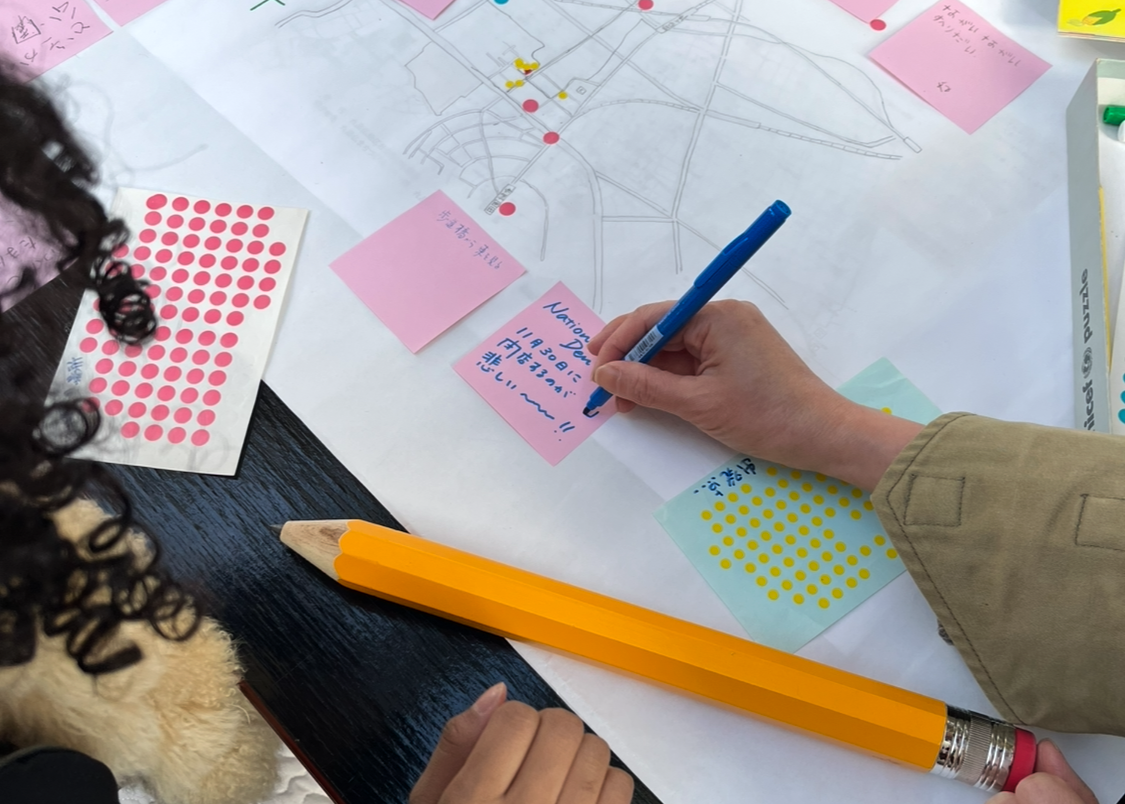
11月以降は地図を使ったワークも実践しました。ひとつの大きな地図をテーブルで囲み、地図には「お気に入りの場所」「よく行く場所」などを記入していきました。「このお店がそろそろ閉店だよ」「ここでよく遊んでいるよ」など、身近な場所の、それぞれにとっての記憶を話してもらいました。情報交換の場、機会のみならずお互いのことを知り、「場」「まちの見方」を共有しあう機会にもなりました。
シンプルな白地図からスタートし、マルシェの場所、駅や通りの名前や近所のお寺など、マルシェを訪れる人々にとって馴染み深い地名を書き込むことで、パッとみてこれがどこの地図なのかが誰でもわかりやすくするための工夫が必要であることも確認できました。また、場所を示すシールと、追加情報を書き込む付箋をナンバリングして後から見ても、どの情報がどの場所のことなのかがわかりやすくなるというアドバイスもいただきました。
タマデンマルシェは「場」であり「コミュニティ」です。それぞれにとってどんな役割を果たしているのか、どんな景色が見えているのか。同じ場所の景色、風景を言語化すること(俳句、うたなど)を共有したら面白いかもしれないと感じています。
Reflecting on the “Tabisumika” project based in Tamagawa-Denenchofu since 2020, we are prototyping the next step at the “Tamaden Marche” held in Tamagawa-Denenchofu on the third Sunday of every month, starting in autumn 2025.
Tamaden Marche is a community event open to the public, held in Tamagawa Denenchofu since 2019. It succeeded the annual “Machi Festa” previously organized by the NPO Tamagawa Machizukuri House. It also served as the starting point for the “Tabi wa Sumika” project, connecting Marksearch to Tamagawa Denenchofu.
Last time, the pandemic prevented us from implementing the project in Tohoku. “Tabi wa Sumika” is finally approaching the time to restart the project in Tohoku. In preparation for this restart, we conducted research in Tohoku in July 2025. We visited many areas in Tohoku, including Togatta in Miyagi Prefecture, Sendai, and Fukushima.
The first prototype was in September 2025. We exhibited photos taken during the previous “Journey is Home” project since 2019 and during our research in Tohoku.
On the back of each photo, we printed various questions. These questions were crafted one by one based on the inspiration we felt when viewing the photos, focusing on themes related to disasters and community.
Many questions concern “disasters” and “community.” I will archive each answer individually.
The process of finding inspiration in photographs and putting it into words, the work of expressing emotions through language, is a very time-consuming one. Even so, many people seriously engaged with the questions. Some found that things they couldn't quite articulate alone became clearer as they talked with others around them, or that they could finally put their own words to voice.
It was truly heartening that so many participants associated Tamaden Marche with the concept of “community.” This experience reinforced our sense that we are becoming one of the places imagined as a “community” by local residents.
On the other hand, I believe the questions about disaster-related thoughts and the intersection of disasters and community presented another hurdle, requiring more time to answer. Simplifying the questions is crucial, and we aim to refine them to allow space for reflection on both “disaster” and “community” individually.
Starting in November, we also implemented map-based activities. Participants gathered around a large map at a table, marking places like “favorite spots” and “frequently visited locations.” They shared memories tied to these familiar places, such as “This shop is closing soon” or “I often play here.” This became not only a space for information exchange but also an opportunity to get to know each other and share perspectives on the ‘space’ and “view of the town.”
Starting with a simple blank map, we confirmed that it's necessary to make it easy for anyone to instantly recognize where the map is by filling in familiar place names for market visitors—like the market location, station and street names, and nearby temples. We also received advice that numbering location stickers and sticky notes for additional information makes it easier to understand later which details correspond to which places.
Tamaden Marche is both a “place” and a “community.” What role does it play for each person? What scenery do they see? I feel it might be interesting to share the act of putting the scenery and landscape of the same place into words (through haiku, songs, etc.).